
Palm trees are a distinct type of tree known for their unique appearance and tropical associations. Here are some key points about palm trees:
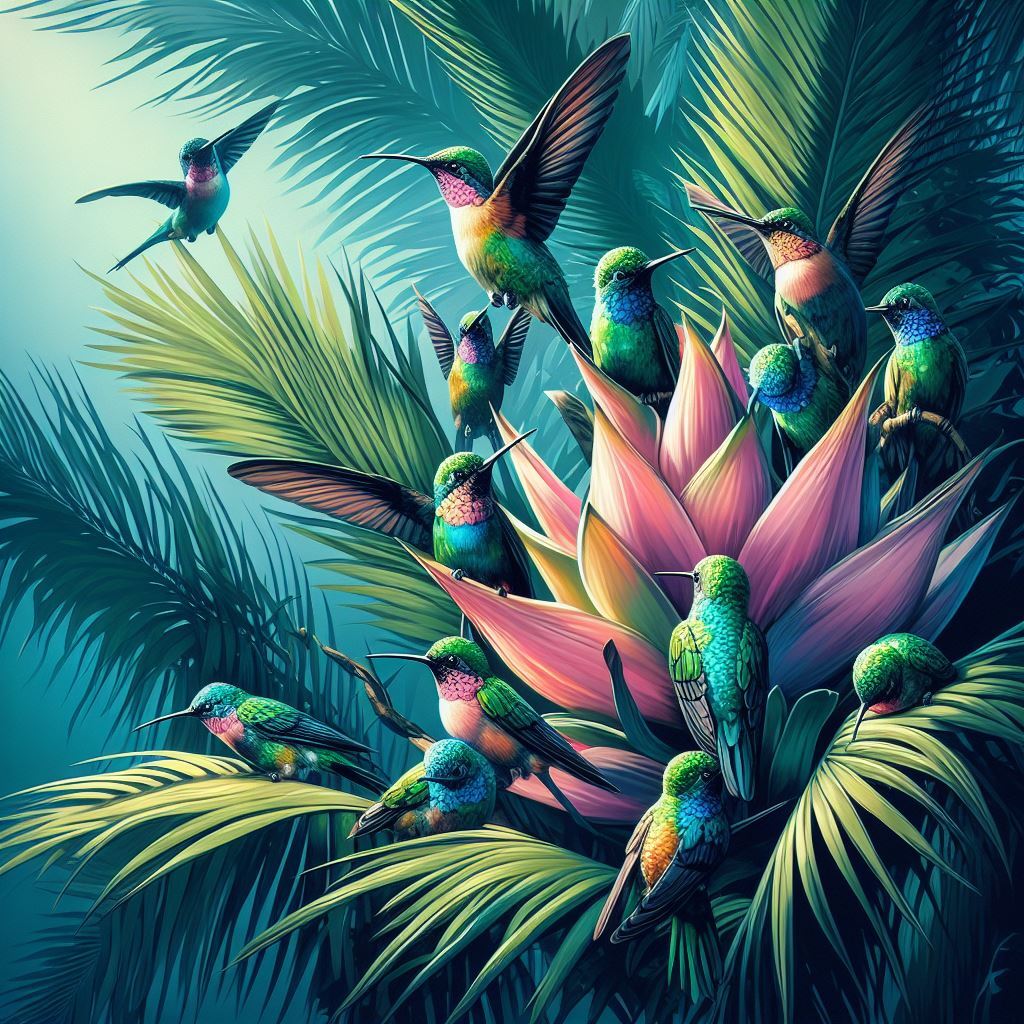
- Appearance: Palm trees are characterized by their long, slender trunks and large, fan-shaped or feather-like leaves known as fronds. They often have a crown of leaves at the top, giving them a distinctive silhouette.
- Diversity: Palm trees belong to the botanical family Arecaceae and encompass a wide range of species, with over 2,500 known varieties. They vary in size, shape, and leaf structure, with some species growing as tall as 100 feet or more.
- Habitat: Palm trees are typically associated with tropical and subtropical regions, thriving in warm climates with abundant sunlight and moderate to high rainfall. They can be found in coastal areas, rainforests, and desert oases.
- Symbolism: Palm trees are often seen as symbols of relaxation, vacation, and paradise due to their association with tropical landscapes. They are commonly depicted in artwork, travel advertisements, and postcards representing idyllic beach destinations.
- Practical Uses: Palm trees have been utilized by humans for various practical purposes throughout history. They provide materials such as wood, fiber, and thatch for construction and crafts. Palm oil, derived from the fruit, is widely used in cooking, cosmetics, and biodiesel production.
- Ecological Importance: Palm trees play a vital role in ecosystems, providing habitat and food for numerous species, including birds, insects, and mammals. They also contribute to soil stability and erosion control in coastal areas.
- Cultural Significance: Palm trees hold cultural significance in many societies. They have been referenced in literature, poetry, and religious texts, and are often associated with celebrations like Palm Sunday in Christian traditions.
 CMP Bio World